March 20 in Physics History
Physics history will help you to develop a better understanding of the physics world!
birthdays & deaths
Explore all birthdays & deaths of physicists occurred on this day with their short biography!
physics Events
Know all important discoveries made by physicists & events happened on this day with complete information!
March 20 in Physics History - Births – Physicists born on March 20
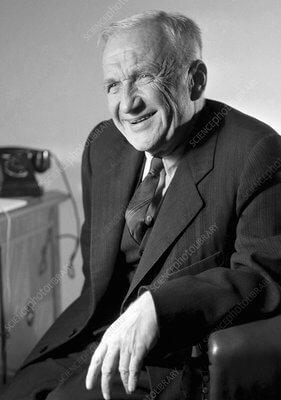
Walter M. Elsasser (20 Mar 1904 - 14 Oct 1991)

He was a German-American physicist who presented the currently accepted dynamo theory that explains the origin and properties of the Earth’s magnetic field. He proposed that the reason behind the Earth’s magnetic field is the electric current generated in the fluid outer core of the Earth. He also interpreted electron scattering and also studied biology in his last years.
Erwin Neher (Born On 20 Mar 1944)
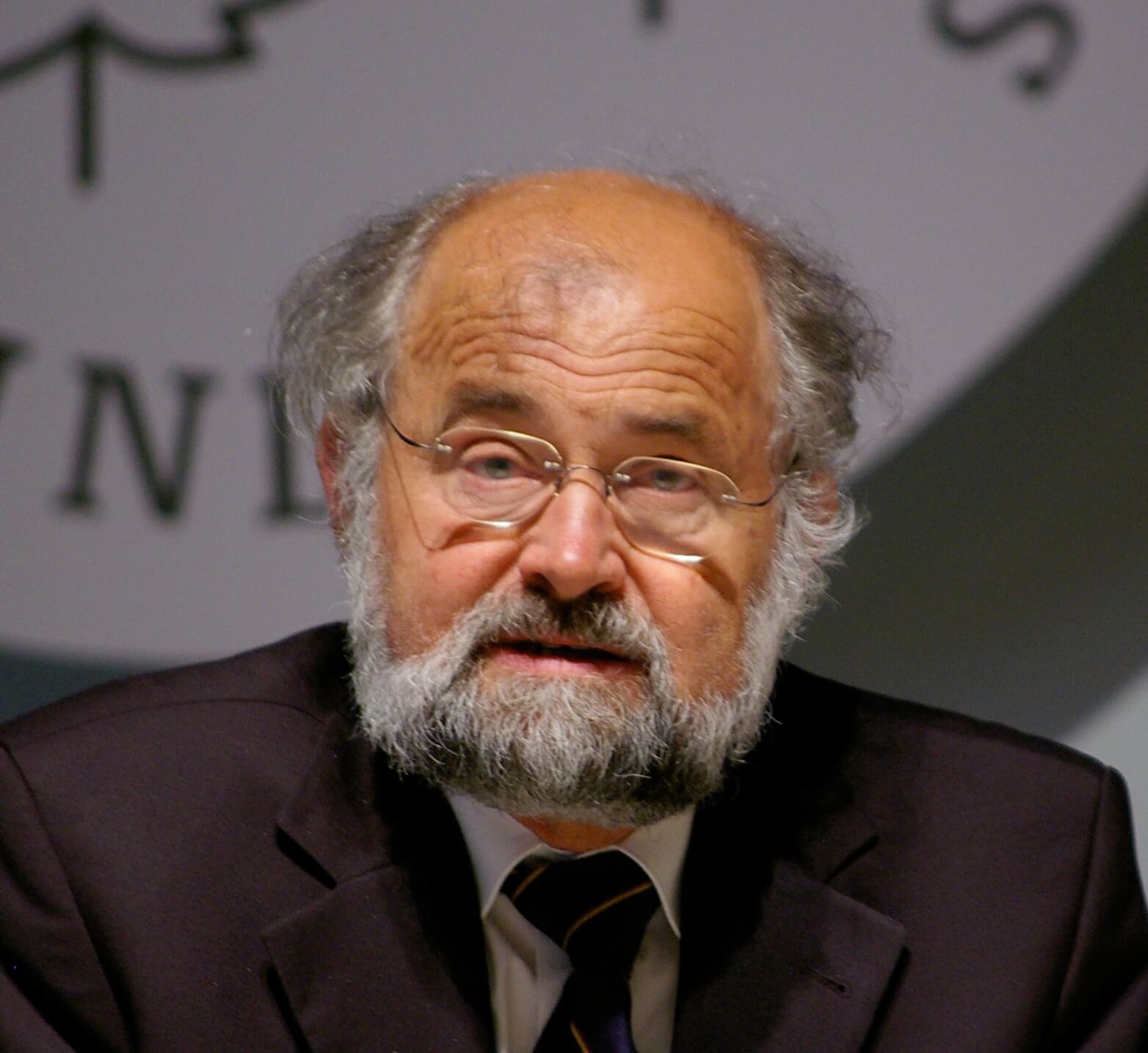
He was a German physicist who shared the Noble Prize for physiology or medicine “for their discoveries concerning the function of single ion channels in cells”. The channels are the routes through which ions can pass. Neher and Sakmann developed a method to track how a molecule with a single channel changes its shape and controls the flow of current within a time frame of a few millionths of a second. These regulations affect the life of a cell and its functions.
Philipp Frank (20 Mar 1884 - 22 Jul 1966)
He was an Austrian-American mathematician and physicist who studied a broad range of mathematics including Hamiltonian geometrical optics, relativity, variational calculus, and Schrödinger wave mechanics. In 1912, when Einstein saw his paper that contained his analysis of the law of casualty, it caught his attention, and then he recommended Frank as his successor as professor of theoretical physics at the German University of Prague. Frank also wrote on a misinterpretation of the Theory of Relativity.
Jean de Hautefeuille (20 Mar 1647 - 18 Oct 1724)
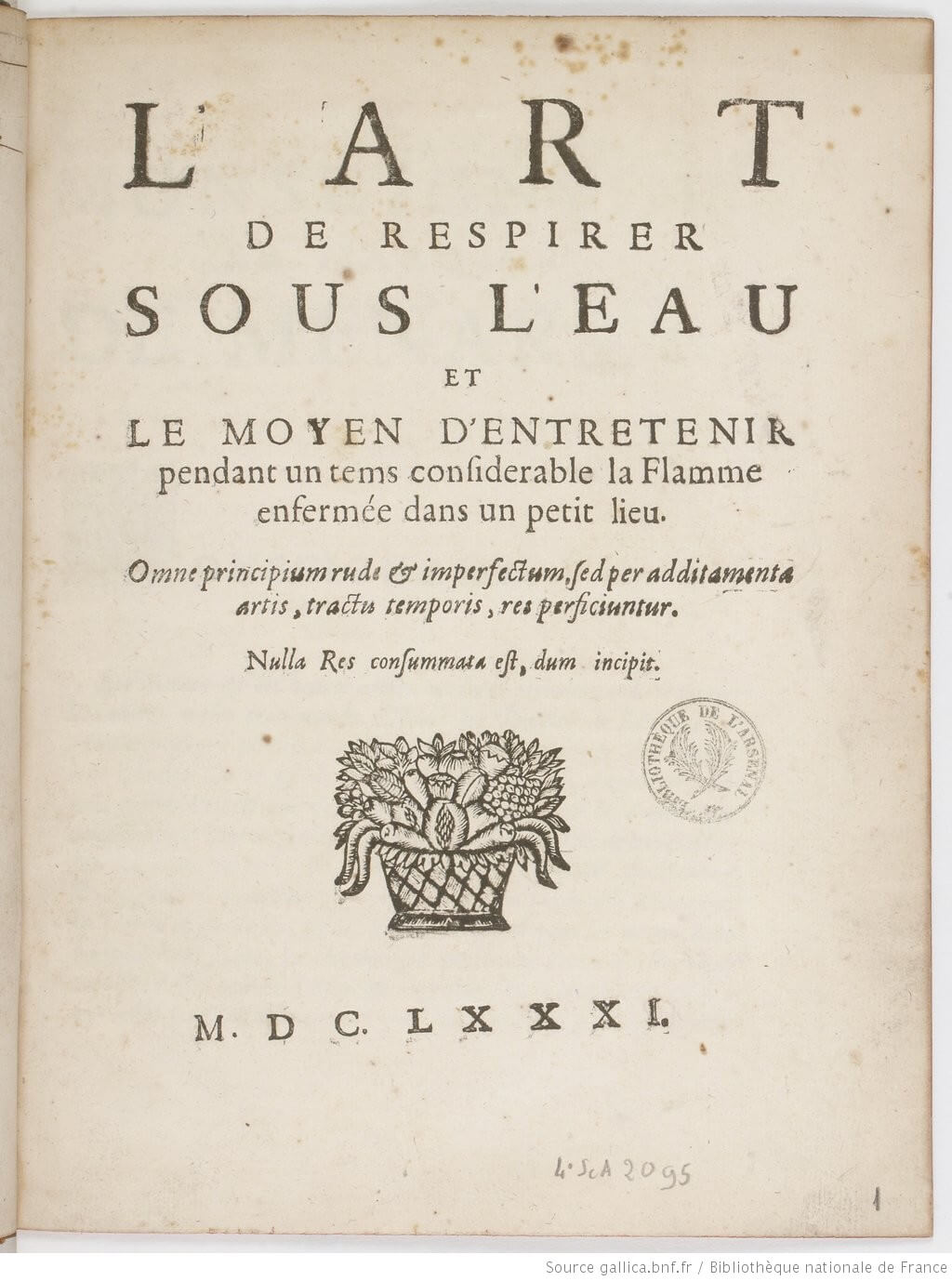
He was a French physicist who built a primitive internal-combustion engine. The piston was pushed back by an explosion of a small amount of gunpowder, and then returned as the combustion gases cooled, leaving a partial vacuum. This was meant to operate a pump. He also invented the micrometer microscope and wrote on many topics such as watch mechanism and tidal phenomenon.
March 20 in Physics History - Deaths – Physicists died on March 20
Sir Isaac Newton (25 Dec 1642 - 20 Mar 1727)
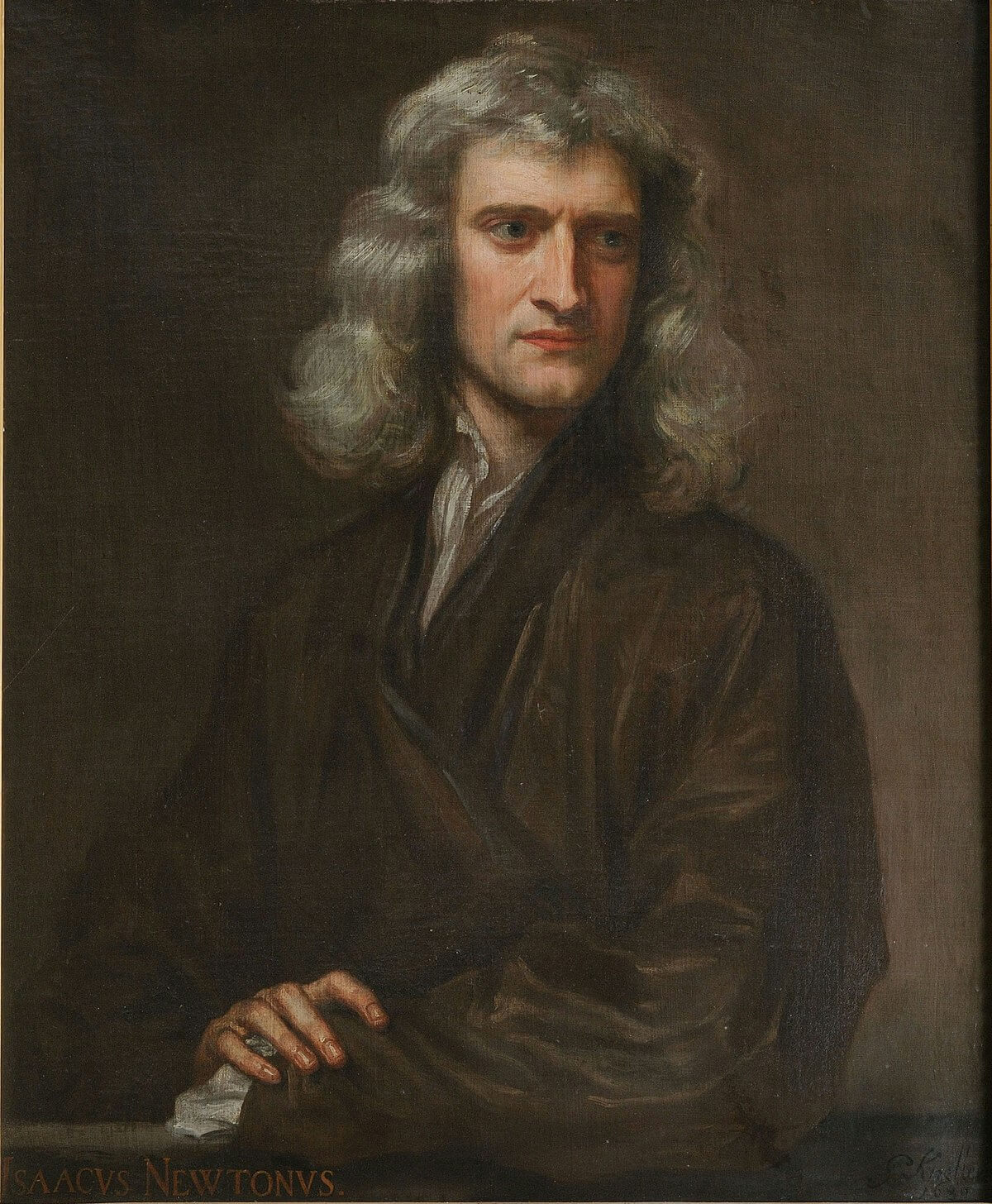
He was an English physicist and mathematician who was the leading scientist of his era. He made prominent discoveries in several areas of science. His statement of the three laws of motion is fundamental in the study of mechanics and be also studied optics and showed that white light is made up of seven colors. He was the first to describe the moon as falling under our Earth’s gravity (it provides the centripetal force) and gave the universal law of gravitation. As a mathematician, he devised infinitesimal calculus which he published in his book, Philosophiae Naturalis Principia Mathematica.
Robert Mayer (25 Nov 1814 - 20 Mar 1878)
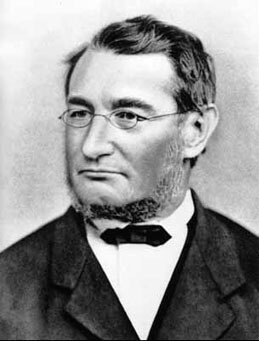
He was a German physicist who measured the mechanical equivalent of heat. He was the one who showed that solar energy is the ultimate source of all the energy on Earth, both non-living and living. Mayer had the idea of the conservation of energy even before Joule or Helmholtz but the prominence of these scientists demonized his credit.
Polykarp Kusch (26 Jan 1911 - 20 Mar 1993)
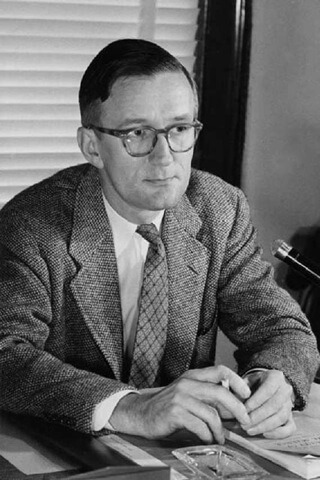
He was a German-American physicist whose research led to the modification of the theories about the interactions of electrons with electromagnetic radiation, now known as quantum electrodynamics. He accurately determined that the magnetic moment of the electron is greater than its theoretical value. He came to this conclusion after researching the hyperfine structure of the energy levels in certain elements. Although minute, the anomaly was of great significance. He even shared the Noble Prize for physics in 1955 for his research.
Andrew Ellicott Douglass (5 Jul 1867 - 20 Mar 1962)

He was an American astronomer and archeologist whose study showed how tree rings could be used to date and interpret past events. He believed that variations in the width of the tree rings would show a connection between terrestrial climate and vegetation and sunspots. So, he started collecting tree specimens. He showed that the width of the tree rings is a record of rainfall. Thus it was founded that the study of tree rings enables archeologists to date prehistoric remains.
March 20 in Physics History - Events – Physics Events on March 20
Einstein's Theory of General Relativity
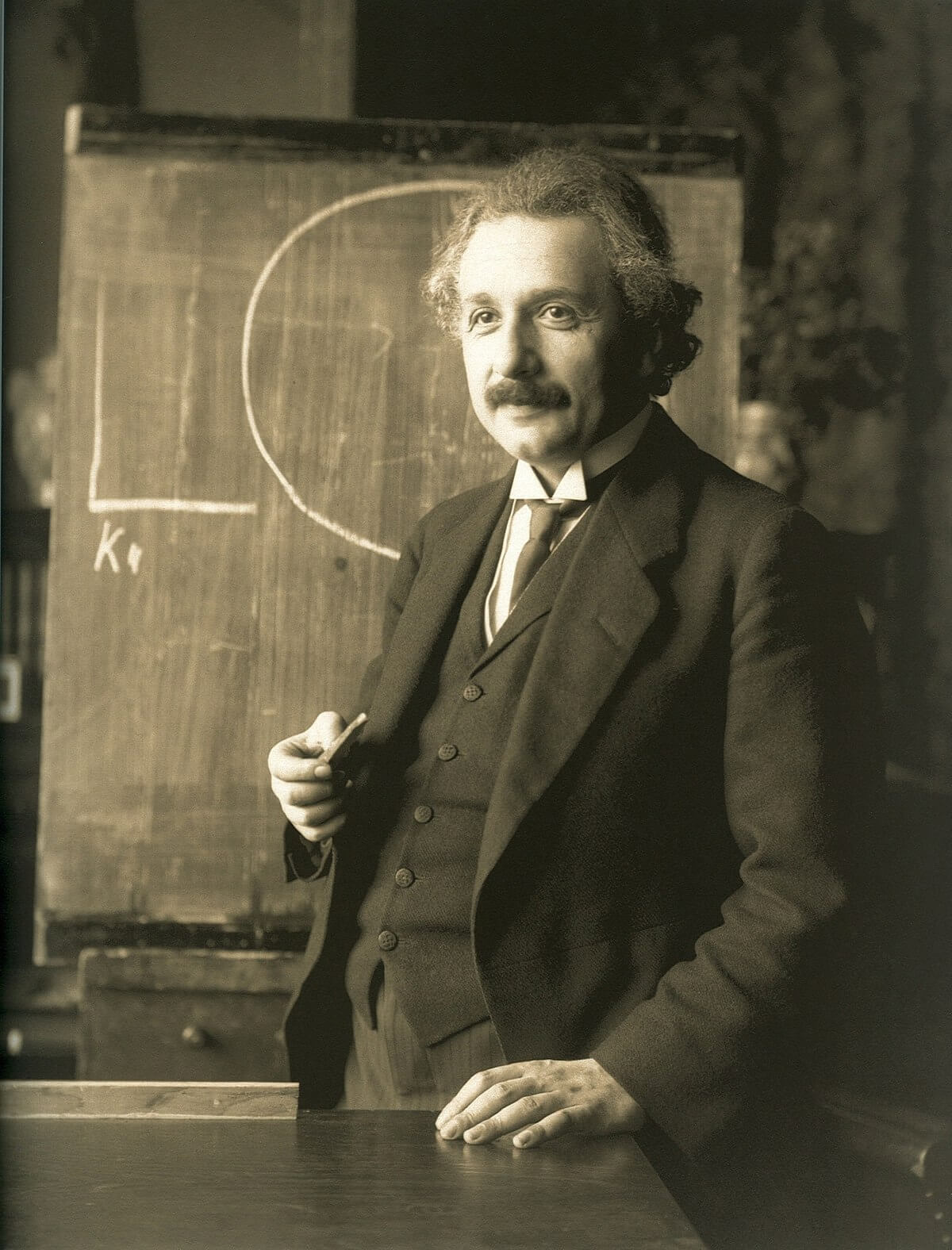
On this day, Albert Einstein’s theory of general relativity was published in 1916 as an academic paper titled “Die Gfundlagen der allegemeinen Relativitästheorie.” When the Royal Society of London photographed the solar eclipse and publically verified his theory, he became famous and was awarded the Noble Prize for physics in 1921 for his photoelectric law and his work in the field of theoretical physics.
First Radar Test
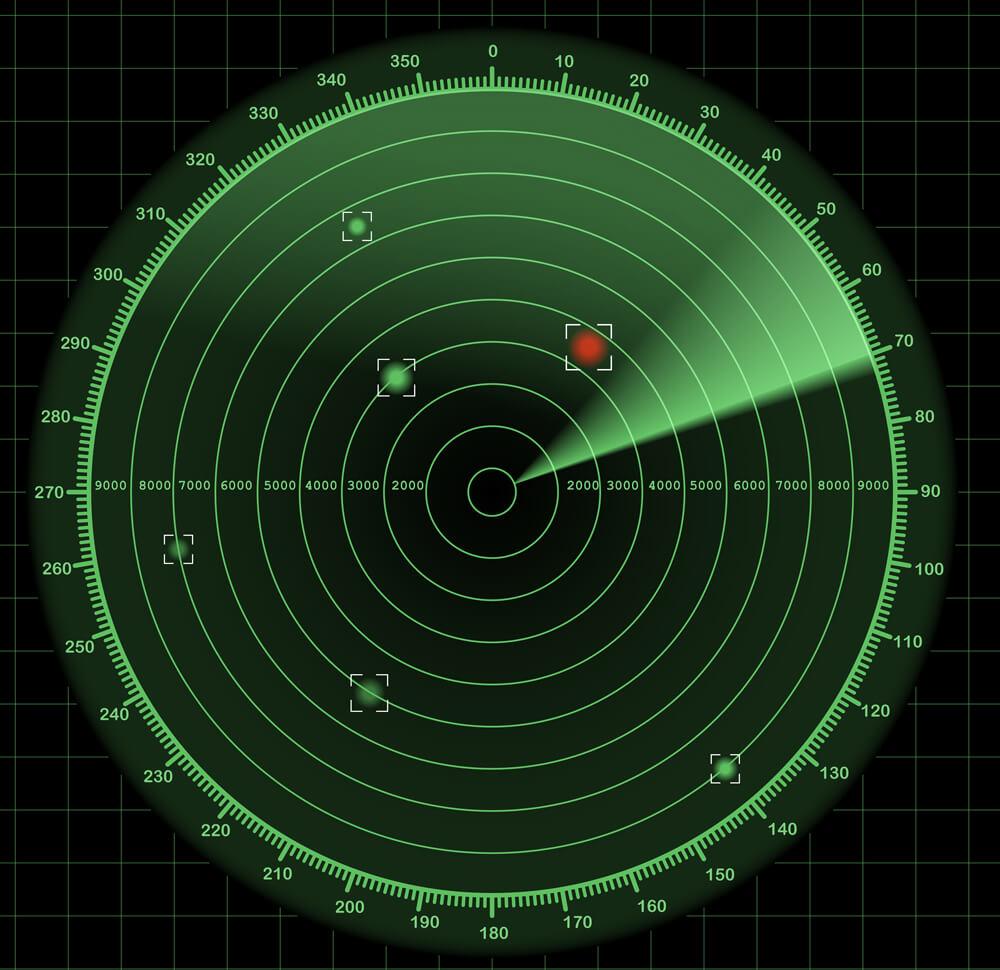
In 1934, Rudolf Kuhnold, chief of the German Navy Signals Research Department, made the first test of a practical radar apparatus. His transmitter worked on a frequency of 600 megacycles had a receiver and had disk reflectors. It received echoes from signals anchored 600 yds away. Later, it picked up echoes from a ship seven miles away. Ironically, it was the U.S. and Great Britain, that took his work and developed it into a reliable detection system.